7 Best Laser Beam Welders for Global Buyers

Time:2026-10-24 Author:Charlotte
0%

Choosing a Laser Beam Welder is rarely a simple price comparison. Global buyers must balance weld quality, machine stability, service access, and operator training. A polished showroom sample can hide uneven output after months of production. This guide examines seven leading options through practical purchasing criteria. We consider beam control, power range, work envelope, cooling design, and automation compatibility. We also examine documentation, warranty terms, spare-part availability, and technical support. Those details matter when a machine stands beside a busy production line. Real experience often exposes weaknesses that brochures omit.

The selected models suit different needs, from delicate jewelry repairs to demanding industrial assemblies. Some prioritize compact footprints and intuitive controls. Others offer higher power, automated positioning, or larger working areas. No single welder fits every factory. Material thickness, joint geometry, production volume, and local technician skills can change the decision. Buyers should request sample welds using their own metals and tolerances. They should also verify electrical requirements and training arrangements before ordering. A low initial quote may become expensive if commissioning support is limited. That risk deserves attention.

Our comparison aims to be useful, not absolute. Performance can vary with settings, maintenance, materials, and operator judgment. Independent testing remains valuable. We highlight strengths, trade-offs, and questions worth asking suppliers. The goal is confidence, not hype. Read on to compare seven laser beam welders and identify the best match for your workflow, budget, and long-term plans.
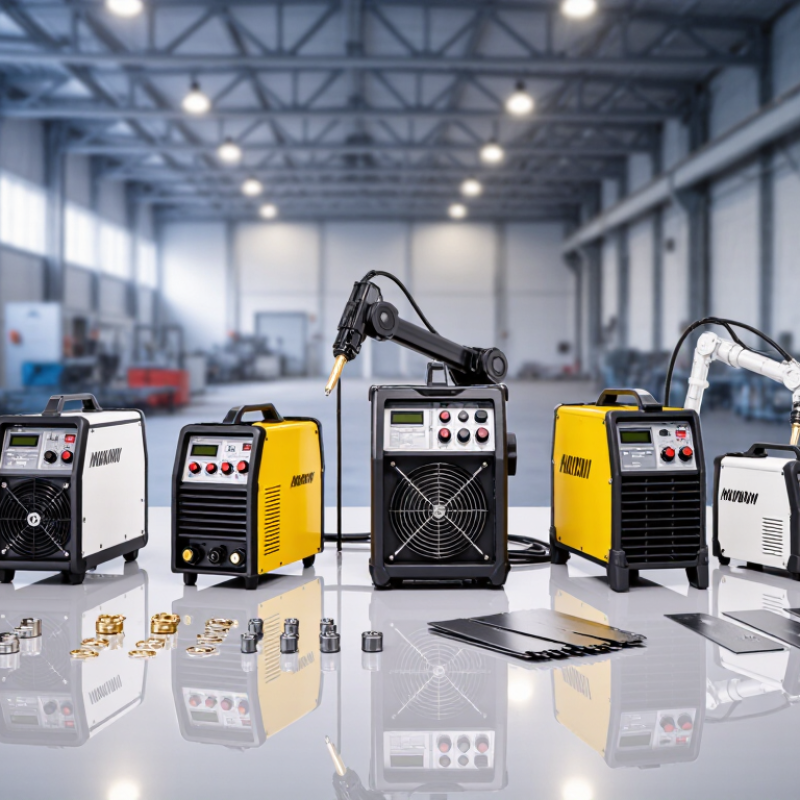
7 Best Laser Beam Welders for Global Buyers

What Is a Laser Beam Welder and How Does It Work?

A laser beam welder uses concentrated light to join metal parts with controlled heat. Its source produces a high-energy beam, usually through fiber delivery or guided optics. Mirrors, lenses, and a focusing head shrink that beam onto the joint. The result is a narrow weld zone and limited distortion.

At sufficient power density, the beam melts the surface and forms a small vapor cavity called a keyhole. Molten metal flows around it, then solidifies as the beam moves. Shielding gas reduces oxidation, while sensors can monitor height, temperature, and seam position. Operators still need accurate fit-up. A laser cannot correct a badly aligned joint.

The International Federation of Robotics reported 541,302 industrial robot installations in 2023, showing stronger demand for automated joining.

Grand View Research forecasts roughly 9% annual growth for the laser welding machine market through 2030.

These figures support wider adoption, but they do not guarantee easy results. Material reflectivity, thickness, joint design, and surface contamination can change penetration dramatically.

It looks precise.

In practical trials, stainless steel may produce a clean seam at high travel speeds, while reflective aluminum demands tighter parameter control. I have seen attractive surface welds hide incomplete fusion underneath. That risk deserves attention. Buyers should request cross-section tests, tensile results, and repeatability data before comparing any laser beam welder.

Key Types of Laser Beam Welders for Different Applications

7 Best Laser Beam Welders for Global Buyers

Key Types of Laser Beam Welders for Different Applications

Laser beam welders differ mainly by laser source, pulse behavior, and automation level. Fiber laser welders suit steel, stainless steel, and aluminum production. Their concentrated beam supports narrow welds and limited heat distortion.

Grand View Research reported that the global laser welding market reached approximately USD 2.7 billion in 2023. Demand is growing through automotive, electronics, and energy equipment manufacturing.

CO2 laser welders remain useful for thicker nonmetallic materials and selected metal processes. However, their larger equipment footprint can challenge smaller workshops. Diode laser welders offer efficient surface heating for brazing, cladding, and plastic joining.

Pulsed Nd:YAG welders handle thin sheets, jewelry-scale parts, and heat-sensitive components. They create short energy bursts. That control can protect nearby surfaces.

Handheld fiber welders support repair work and low-volume fabrication. Robotic laser cells serve repeatable production, especially when seam tracking and safety enclosures are available.

The International Federation of Robotics reported over 541,000 industrial robot installations worldwide in 2023, showing why automated welding remains commercially important.

Still, automation is not automatically better. Poor fixturing can repeat the same defect thousands of times.

A practical selection should compare penetration depth, duty cycle, beam quality, maintenance access, operator training, and local electrical requirements.

ISO 15614-11 provides guidance for qualifying laser welding procedures. Buyers should test their actual material, joint design, and production speed before signing a purchase order.

A visually clean weld can still hide porosity.

Seven Leading Laser Beam Welders for Global Buyers

For global buyers, the seven leading laser beam welders are defined by application, not appearance. Handheld fiber welders suit repair work and small production runs. Automated fiber systems support repeatable joints on metal sheets, tubes, and frames. Pulsed laser welders offer careful control for thin parts and small components. Continuous-wave systems deliver deeper, faster welds on heavier materials.

Robotic laser welders fit high-volume factories where consistent movement matters. Precision micro-welders serve electronics, medical instruments, and delicate assemblies. Hybrid laser-arc welders can handle wider joints and variable fit-up. Each type has a different balance of power, speed, beam quality, and operator involvement. The most expensive option is not always the most capable.

I have seen impressive samples fail during long production shifts. Heat buildup, lens contamination, poor ventilation, and unstable fixturing can reduce results quickly. Calibration matters. Buyers should request test welds using their actual material thickness and joint design. Check service coverage, operator training, spare optics, electrical standards, and software language support before ordering. A reliable supplier should provide measured weld data, safety documentation, and realistic cycle-time estimates. Some published specifications remain difficult to compare, so independent trials are still valuable.

7 Best Laser Beam Welder Configurations for Global Buyers

This chart compares seven representative industrial laser welding configurations by rated laser power and typical single-pass stainless-steel thickness. The figures reflect commonly published market ranges and should be verified against the supplier’s technical datasheet, material grade, joint design, and welding speed.

Higher laser power generally supports thicker materials and faster production, while compact systems are often preferred for precision work, maintenance, and lower-volume fabrication.

How to Compare Laser Beam Welder Performance and Features

Comparing the seven best laser beam welders starts with real production needs, not brochure claims. Check laser power, pulse stability, beam quality, and working distance. A stable beam creates narrower welds and fewer heat marks on thin stainless steel. Ask for sample welds using your actual material and thickness.

Watch the weld in progress. A useful system should offer adjustable pulse width, spot size, shielding gas control, and accurate power feedback. High-speed cameras and monitoring software can reveal porosity, spatter, or inconsistent penetration. Automatic seam tracking helps when parts vary slightly. However, automation cannot correct poor joint preparation. Clean edges still matter.

My first comparison was too simple. I focused on power and ignored operator comfort. That was a mistake. Check nozzle access, viewing clarity, control layout, and maintenance time. A machine requiring frequent lens cleaning may reduce output, even with excellent specifications. Compare cooling performance during an eight-hour shift, not only during a short demonstration. Also review electrical compatibility, training support, spare-part availability, and safety documentation for your region. Claims need evidence. Request test reports, warranty terms, and references from comparable workshops. A lower purchase price can hide expensive downtime.

Global Buying, Safety, Installation, and Maintenance Considerations

7 Best Laser Beam Welders for Global Buyers

Global buyers should compare laser beam welders beyond power ratings and advertised speed. A suitable machine must match material thickness, joint design, workshop space, and local electrical supply. In my experience, unstable voltage causes more trouble than expected. Check input requirements, cooling capacity, beam delivery, and replacement-part availability before ordering. A lower purchase price can look attractive, but my early comparisons overlooked shipping damage and customs delays.

Safety planning starts before installation. The work area should control reflected light, fumes, sparks, and unauthorized access. Operators need proper training, eye protection, protective clothing, and clear emergency procedures. Enclosed systems may reduce exposure risks, but they still require interlocks and routine checks. Ask the supplier for risk documents, user instructions, and region-appropriate certification. Requirements differ between countries. Never assume one certificate satisfies every market.

Installation should be completed by qualified technicians who understand lasers, electricity, and ventilation. Leave space around the chiller and keep the floor level. Record initial settings, alignment checks, and acceptance-test results. Maintenance is usually simple, but neglect is expensive. Clean optics as instructed, inspect hoses, check cooling temperature, and review warning messages. Keep a maintenance log with dates and measured values. I still believe buyers should allow time for operator feedback. The first setup may seem perfect, yet weld consistency can change after several production hours. That deserves a second inspection.

FAQS

What is a laser beam welder?

It joins metal parts using concentrated light and controlled heat. The beam creates a narrow weld zone. Distortion is usually limited.

How does laser welding create a joint?

Focused light melts the joint surface. At high power, it forms a small vapor cavity called a keyhole. Molten metal surrounds it and solidifies as the beam moves.

Why is shielding gas used?

Shielding gas reduces oxidation during welding. It helps protect the molten pool. Poor gas coverage may create surface defects.

Can laser welding fix badly aligned parts?

No. Accurate fit-up remains essential. A laser cannot correct large gaps or poor alignment.

Which laser welder type suits small production work?

Handheld systems suit repairs and small batches. Pulsed systems offer careful control for thin parts. They can be practical, but results depend heavily on operator skill.

Which system suits high-volume production?

Robotic or automated systems support repeatable movement. Continuous-wave systems can provide deeper, faster welds on heavier materials. Stable fixturing remains necessary.

How should buyers compare welding performance?

Request test welds using the actual metal, thickness, and joint design. Check penetration, tensile strength, porosity, and repeatability. Attractive surfaces can hide incomplete fusion.

What features deserve attention beyond laser power?

Review beam stability, pulse control, spot size, gas control, and power feedback. Check viewing clarity, nozzle access, cooling, and maintenance time. I once focused only on power. That was incomplete.

What problems can reduce performance during a long shift?

Heat buildup, dirty optics, weak ventilation, and unstable fixtures can reduce weld quality. Compare cooling performance across an eight-hour shift. Short demonstrations may mislead.

What documents and support should buyers request?

Ask for safety documents, measured weld data, warranty terms, training details, and spare-part availability. Confirm electrical compatibility and software support. Claims need evidence.

Conclusion

This guide explains what a Laser Beam Welder is and how it uses a concentrated beam of light to create precise, clean, and reliable welds with limited heat transfer to surrounding materials. It introduces key welder types, including fiber, pulsed, continuous-wave, handheld, and automated systems, and shows how each option suits different materials, thicknesses, production volumes, and application requirements. The guide also presents seven leading categories of laser welding equipment for global buyers, focusing on practical selection rather than brand promotion.

Readers will learn how to compare welding power, beam quality, speed, control systems, automation compatibility, energy efficiency, user safety features, and long-term operating costs. It also covers essential considerations for international purchasing, such as electrical standards, installation conditions, operator training, documentation, technical support, spare parts, routine maintenance, ventilation, protective equipment, and workplace safety procedures. Together, these insights help buyers select a capable, dependable, and properly supported laser welding solution.


Charlotte

Charlotte

Charlotte is a seasoned marketing professional with a deep understanding of the company's portfolio and a passion for elevating its presence in the market. With a keen eye for detail and a commitment to excellence, she ensures that our professional blog is regularly updated with insightful articles......