
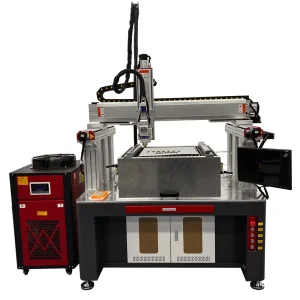
Explore precision-engineered laser systems developed at our Shenzhen manufacturing hub. Every unit undergoes rigorous 72-hour thermal stress testing prior to global deployment.
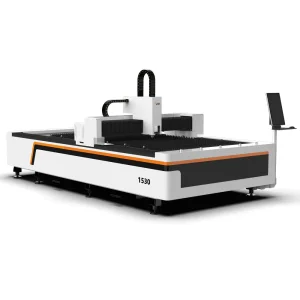
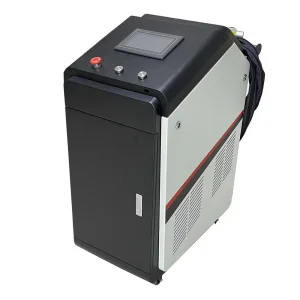
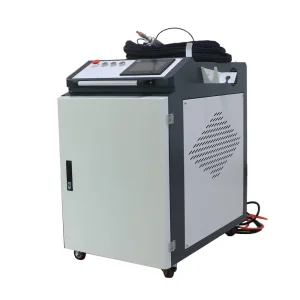
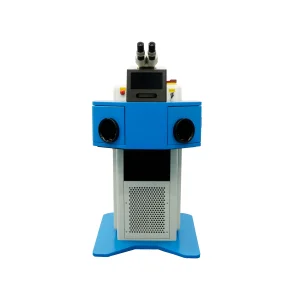
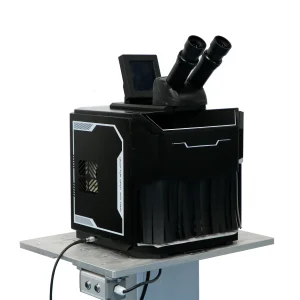
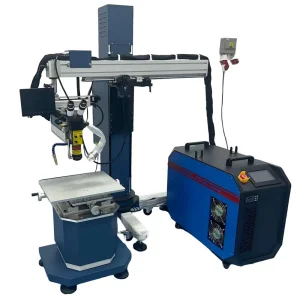
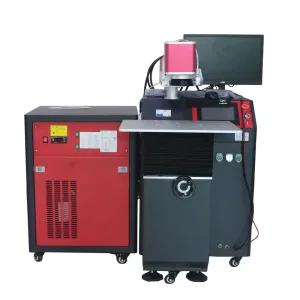
Laser rust removal represents a paradigm shift from traditional abrasive mechanical grit-blasting and toxic acid pickling. At Shenzhen Youmir Laser Technology Co., Ltd., our engineering methodology exploits the localized differences in optical absorption thresholds between iron oxides (Fe2O3, Fe3O4) and base substrate alloys (carbon steel, aluminum, copper, and stainless alloys).
When high-intensity pulsed fiber laser radiation (typically 1064nm near-infrared) intersects the corroded surface, radiant energy is absorbed selectively within a penetration depth of 10 to 50 micrometers. This drives rapid transient heating exceeding the thermal dissociation and vaporization limits of iron oxide compounds without imparting thermal shock or structural metallurgical transition to the substrate.
Selecting the correct laser architecture dictates process economics and metallurgical integrity. Our Shenzhen production center builds both high-peak pulsed systems and continuous wave solutions tailored to specific commercial deployment profiles.
Independent tuning of pulse width (2 – 500 ns) and frequency (1 – 4000 kHz). Delivers up to 100 kW peak power with negligible Heat-Affected Zone (HAZ). Perfect for injection molds, aerospace turbine blades, and precision restoration.
Constant thermal energy emission tailored for maximum volumetric rust removal rate (up to 40 m²/h). Engineered for structural civil engineering, ship hull maintenance, rail infrastructure, and thick steel pipelines.
Industrial buyers benefit from factory-direct FOB/CIF pricing with fully customizable optical engines, field lenses, water chillers, and 2-axis high-speed galvanometer cleaning heads.
| Model / Power Class | Laser Source Engine | Pulse Width / Mode | Cleaning Speed (Area) | Primary Target Industry | Standard Pricelist (USD FOB) |
|---|---|---|---|---|---|
| YMR-CL-100P | Fiber Pulsed (MOPA) | 10 – 350 ns Adjustable | 0.5 – 1.8 m²/h | Precision Molds, Tooling, Heritage | $4,800 – $6,200 |
| YMR-CL-200P | Fiber Pulsed (MOPA) | 10 – 400 ns Adjustable | 1.5 – 3.5 m²/h | Automotive EV Battery, Stators | $7,200 – $8,900 |
| YMR-CL-300P | Fiber Pulsed (MOPA) | 5 – 500 ns Adjustable | 3.0 – 6.5 m²/h | Aviation Turbines, Nuclear Equipment | $11,500 – $14,200 |
| YMR-CL-500P | Custom Pulse Fiber | Fixed High-Peak Pulse | 5.0 – 12.0 m²/h | Defense, Petrochemical Descaling | $21,000 – $26,500 |
| YMR-CL-1500CW | Continuous Wave (CW) | Continuous Beam | 12.0 – 22.0 m²/h | Heavy Steel Structural Fab, Bridge Fab | $4,200 – $5,600 |
| YMR-CL-2000CW | Continuous Wave (CW) | Continuous Beam | 18.0 – 32.0 m²/h | Marine Shipyard Hulls, Pipelines | $5,400 – $6,900 |
| YMR-CL-3000CW | Continuous Wave (CW) | Continuous Beam | 25.0 – 45.0 m²/h | Heavy Metallurgy, Rail De-oxidation | $7,800 – $9,600 |
| YMR-ROBOT-AUTO | Robotic Integrated Cell | Pulsed / CW Hybrid | Fully Automated Cycle | Automotive Stamping & EV Gigafactory | Custom Quote ($28K+) |
We specify premium optical diodes from IPG, Raycus, and MAX Photonics, teamed with proprietary F-theta lenses, dual-axis galvo motors, and Schneider electrical controls.
Zero media disposal fees, no chemical neutralizing baths, and no grit reclamation hardware. Average operational energy costs stand at less than $1.20 per production running hour.
Every machine comes backed by a 24-month comprehensive source guarantee, dedicated DHL expedited replacement pathways, and lifetime calibration support from Shenzhen.
Our laser rust removal systems comply with high-precision cleanliness requirements, meeting ISO 8501-1 Sa 3 blast-cleaning standards without wet-waste effluent or particulate residue.
De-coating polysulfide sealants, stripping polyurethane primer layers, and removing mill-scale from titanium and aluminum alloys. Delivers clean surfaces ready for non-destructive eddy-current and ultrasonic crack inspections.
Hairpin copper stator insulation stripping, aluminum battery tray oxide clearing prior to friction stir welding, and spot-cleaning e-coat paint before structural adhesive application.
Removing heavy salt-crust corrosion, barnacle calcification residue, and aged epoxy hull coatings. CW laser cleaning heads are adapted for crane sling-boom suspension and ship deck crawlers.
Non-abrasive extraction of plastic vulcanization residue, release agents, and carbon buildup from complex textured mold cavities without rounding precision parting edges or tool radii.
Shenzhen Youmir Laser Technology Co., Ltd. operates at the core of the world's most concentrated optical and electrical engineering industrial supply chain. Founded in Shenzhen in 2012 following laser R&D initiatives launched in 2010, our 5,000 m² facility delivers major cost-efficiency advantages without cutting corners on component quality.
Within a 30-kilometer radius of our Guangming District plant, our supply framework sources precision collimators, multi-axis motion controllers, dynamic galvo heads, and advanced laser fiber combiners. This tight cluster enables rapid rapid prototyping, fast lead times, and lower production costs.
Industrial laser cleaning continues to advance. Our Shenzhen research team is actively developing three core innovations to drive process intelligence and cleaner surface treatment.
Integrating real-time Laser-Induced Breakdown Spectroscopy into the galvo scan head. The optical sensor analyzes plasma emission wavelengths during ablation, automatically modulating pulse energy in real time the instant base alloy composition is detected.
Moving beyond nanosecond pulse durations into ultra-fast picosecond and femtosecond regimes. Ultra-short pulse envelopes vaporize contaminant lattices before thermal energy can conduct into the bulk lattice, eliminating microstructural stress.
Integrating lightweight handheld cleaning heads onto 6-axis articulated collaborative robot arms. Includes 3D structured light vision scanners that automatically map irregular surfaces and clean weld seams at continuous speeds up to 150 mm/s.
Deploying industrial laser equipment across Europe, North America, and Australia demands adherence to strict workplace optical safety and electrical engineering mandates.
Our systems meet FDA CDRH (21 CFR 1040.10) and European EN 60825-1 standards. Built with dual-channel safety interlocks, key-switch authorization, integrated emergency beam dumps, and redundant gas purge interlock sensors.
Vaporized rust and degraded paint pigments form respirable sub-micron aerosol particulates. Every Youmir cleaning installation integrates with ISO 15012-4 compliant multi-stage cartridge extraction systems with active carbon filtration.
Custom factory configurations for single-phase 110V/220V (60Hz) or 380V/480V 3-phase international power grids. Backed by 24/7 video engineering diagnostics, overseas agency technical hubs, and on-site operator commissioning.
Industrial procurement teams evaluating laser cleaning machinery should look beyond basic wattage claims. Real-world performance depends heavily on beam quality, optical design, and scan control architecture:
Tested on ASTM A36 structural carbon steel coated with 75μm oxidation mill scale:
*Data verified inside Shenzhen Youmir Laser Testing Laboratory. Real rates vary with alloy matrix and coating thickness.
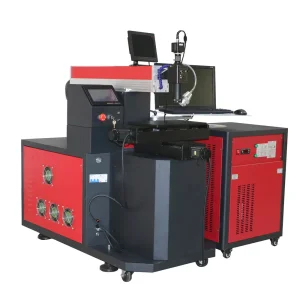
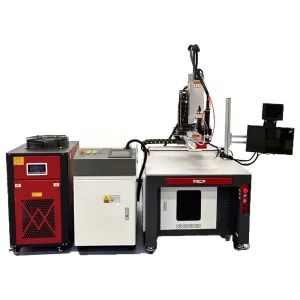
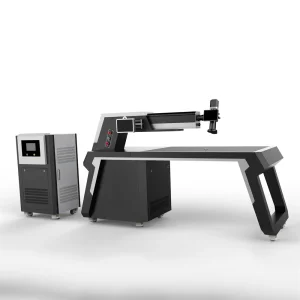
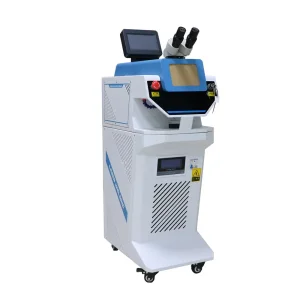
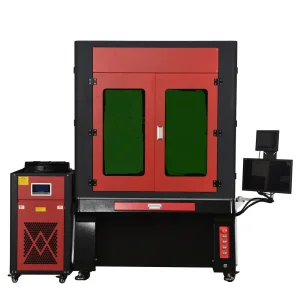
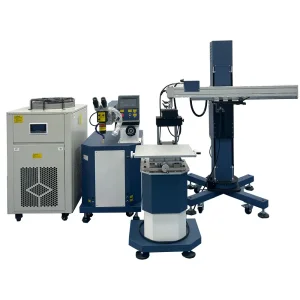
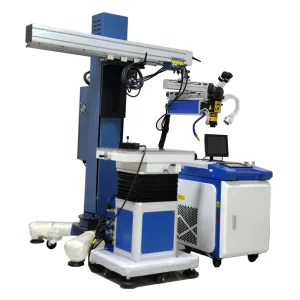
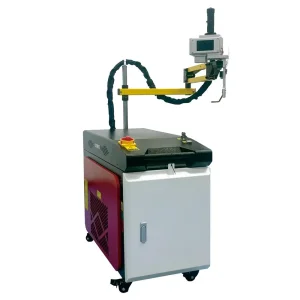
Explore our specialized mold repair welders, automated CNC cabinets, and portable galvanometer equipment designed for round-the-clock factory environments.
Direct answers from our senior optics team covering maintenance schedules, substrate physics, operating limits, and international shipping.
No. When using a properly calibrated pulsed fiber laser (MOPA or Q-switched), the pulse duration operates between 10 and 200 nanoseconds. This is shorter than the thermal relaxation time of structural alloys like carbon steel, stainless steel, or aluminum.
The energy vaporizes surface contaminants instantaneously through optical ablation without building up residual heat in the metal. Independent SEM (Scanning Electron Microscopy) and Vickers hardness tests show zero phase transition, micro-cracking, or changes in structural hardness.
Pulsed laser cleaners emit high-intensity bursts of energy reaching peak powers of 10kW to 100kW, while maintaining low average heat input. They are ideal for high-precision injection molds, aerospace components, historical restoration, and thin sheet metal where zero thermal distortion is mandatory.
Continuous Wave (CW) machines output an uninterrupted beam (typically 1000W to 3000W) with lower peak power but substantially higher thermal volume. CW systems provide faster cleaning on heavy structural steel, ship plates, bridge girders, and large pipelines where slight surface heat buildup is acceptable.
Laser cleaning eliminates recurring media costs like sand, garnet, dry ice, or hazardous chemical solvents. The only regular consumables are:
1. Quartz Protective Cover Slides: Protects the internal F-theta scan lens from spatter. Slides cost $8–$15 each and typically last 200 to 500 operating hours with proper clean air assist.
2. Fume Extractor Filters: Multi-layer HEPA/carbon filter stages require replacement every 3 to 6 months depending on daily smoke and dust volume.
Yes. We manufacture multi-function 3-in-1 and 4-in-1 handheld continuous laser systems. By switching the quick-clamp optical nozzle tip and selecting the corresponding mode on the touchscreen HMI, operators can alternate between seam welding, rust/paint removal, and thin-sheet metal cutting.
For high-precision tool-room applications or mold maintenance, we recommend a dedicated pulsed laser cleaning system to prevent heat buildup on delicate tooling surfaces.
A standard 200W pulsed cleaner draws roughly 1.5 kW of electrical power, operating smoothly on single-phase 110V or 220V shop power. A high-power 2000W continuous wave cleaner equipped with a dual-temperature water chiller draws around 7.5 kW to 8.5 kW.
Factoring in regional commercial electricity costs averaging $0.15/kWh, total operational expenditure generally ranges between $0.25 and $1.30 per running hour—yielding major operating savings compared to abrasive sandblasting setups.
Every machine comes covered by a 24-month factory warranty on the fiber laser source and 12 months on peripheral components. In the event of a field fault, our team connects via remote video link within 2 to 4 hours to run system diagnostics.
Replacement sub-assemblies (such as lenses, galvo motors, or control boards) ship via expedited DHL/FedEx priority express. For automated factory production cells, our field engineers travel internationally for on-site commissioning, integration, and operator safety training.
Send your parts, drawings, or alloy specifications to our Shenzhen engineering lab. We will produce a full application study with test videos, surface roughness analyses, and custom pricing within 24 hours.