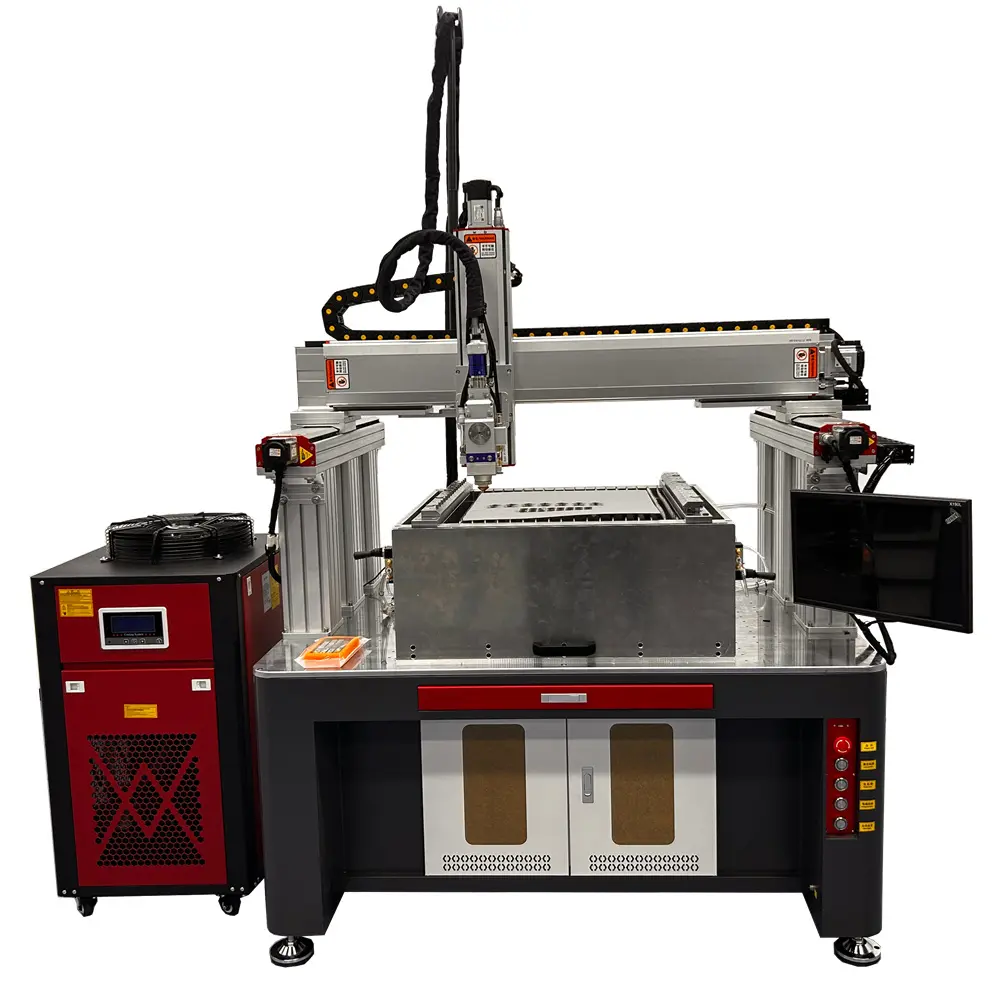
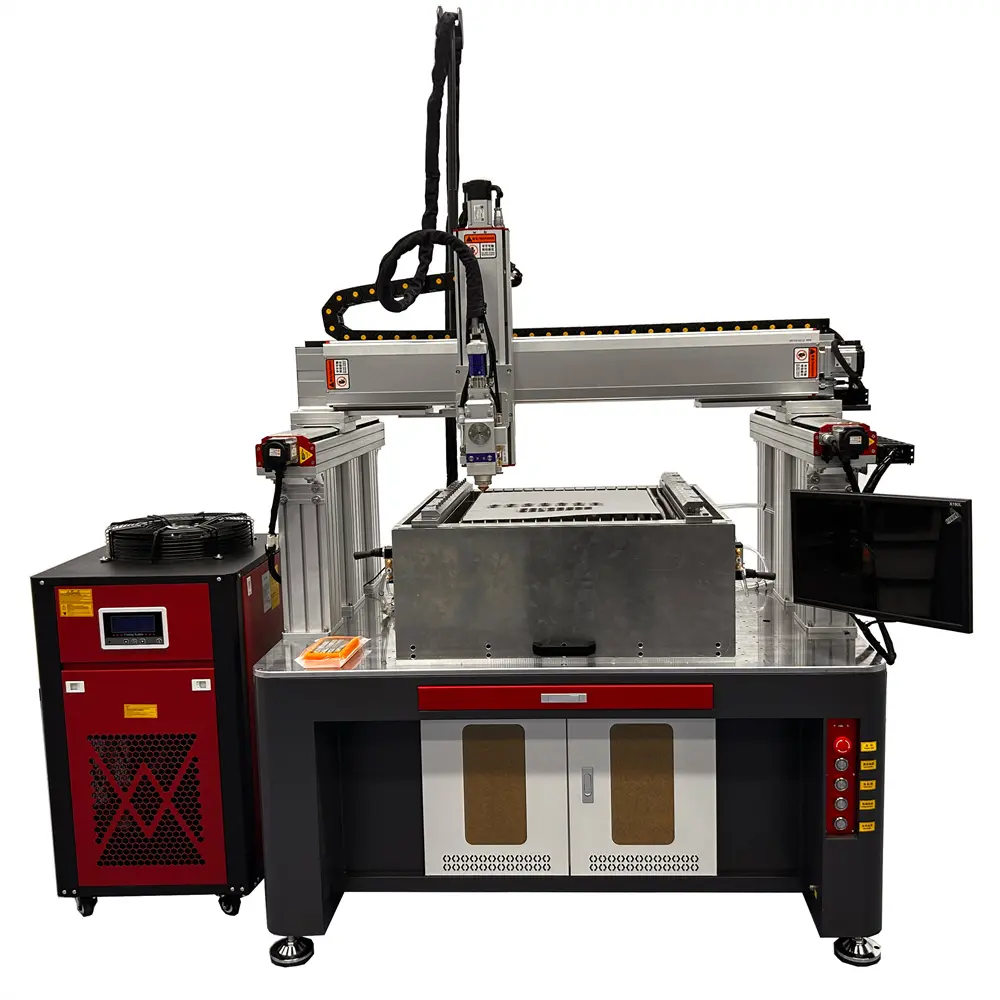
Fiber laser cutting machines have become a core piece of equipment in the modern metal processing industry due to their advantages in high efficiency, high precision, low cost, and automation.
Complies with environmental protection and safety production requirements
Applications of Fiber Laser Cutting Machines
1. Sheet Metal Processing Industry
Stainless steel and carbon steel plate cutting
Chassis and cabinets, metal enclosures
Communication equipment housings
2. Automotive & Parts Manufacturing
Automotive structural components
Exhaust system components
Automotive sheet metal parts
3. Hardware Products Industry
Door and window hardware
Metal brackets and supports
Metal tools and accessories
4. Home Appliance Manufacturing
Refrigerator, washing machine, and AC housings
Kitchenware, stainless steel sinks
Household metal components
5. Machinery Manufacturing
Machine equipment covers
Industrial equipment structural components
Machining of mechanical parts
6. Construction & Decoration
Stainless steel decorative panels
Metal curtain walls
Guardrails, stair railings
7. Advertising & Signage Industry
Metal letters, billboards
Decorative pattern cutting
8. New Energy & Power Industry
Battery trays
Electrical control cabinets
Metal components for energy equipment
Frequently Asked Questions (FAQ)
Q1: What metal materials can a fiber laser cutting machine cut?
Fiber laser cutting machines are suitable for cutting a wide range of metals, including stainless steel, carbon steel, aluminum and aluminum alloys, copper and copper alloys, as well as galvanized and electroplated sheets.
Q2: How does fiber laser cutting compare to traditional plasma and flame cutting?
Fiber laser cutting provides much higher cutting precision, smooth edges with minimal burrs, a narrower kerf, and a smaller heat-affected zone. In addition, its cutting speed is several times faster, especially on thin and medium-thick metal sheets.
Q3: What makes fiber laser machines cost-effective in operation?
They offer a high electro-optical conversion efficiency (≥30%), efficient fiber optic transmission with minimal power loss, and a maintenance-free laser source with an exceptionally long service life, significantly reducing maintenance and power consumption costs.
Q4: Can fiber laser cutting machines be integrated into automated production lines?
Yes. These systems support automated loading and unloading systems, CAD/CAM software integration, automatic edge finding, and can be connected with industrial robots for mass and unmanned production.
Q5: Are fiber laser cutting machines environmentally friendly?
Yes. Fiber laser cutting requires no cutting oils, generates no harmful toxic gases, and operates with low noise and reduced dust levels, meeting international environmental and industrial safety standards.