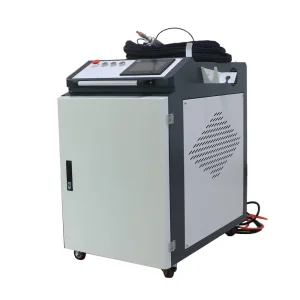
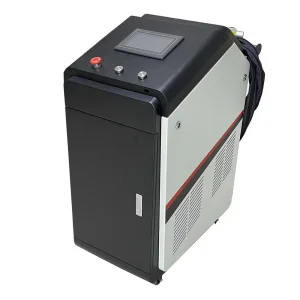
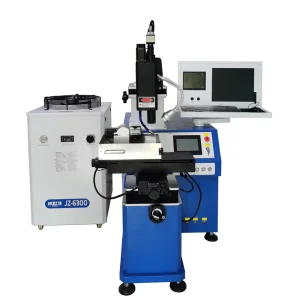
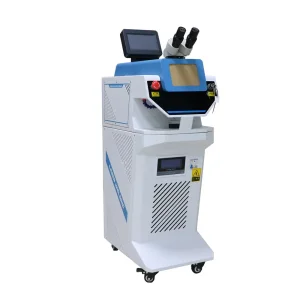
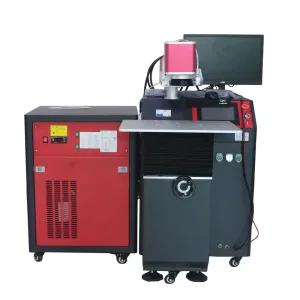
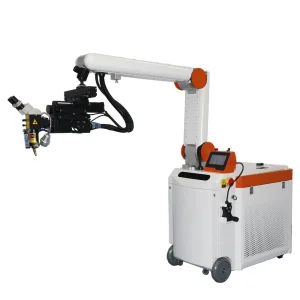
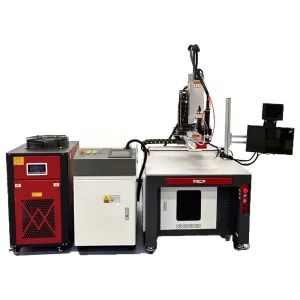
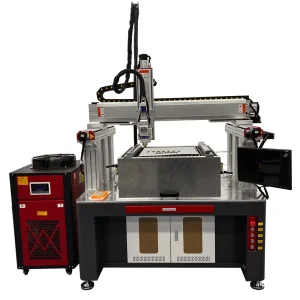
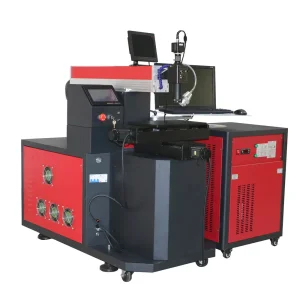
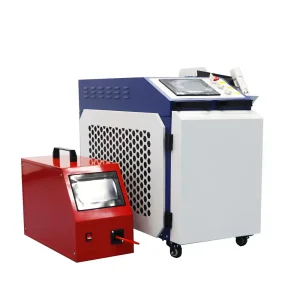
Factory-direct laser surface preparation and automated fabrication systems configured for rapid deployment across Bergen, Stavanger, Oslo, and Trondheim industrial zones.
Norway’s high-precision engineering ecosystem is driven by aggressive zero-emission goals, strict maritime workplace health standards, and the severe physical demands of North Sea operations.
Across the western Norwegian shipping corridors from Rogaland to Vestland, as well as the Arctic offshore supply bases in Hammerfest, industrial operators face stringent regulations enforced by the Norwegian Environment Agency (Miljødirektoratet) and the Norwegian Maritime Authority (Sjøfartsdirektoratet). Traditional abrasive grit blasting, chemical acid pickling, and high-pressure water washing are heavily restricted due to toxic particulate emissions, hazardous effluent runoff into delicate fjord ecosystems, and dangerous worker exposure risks.
Equinor’s North Sea platforms, FPSOs, and subsea structures require continuous maintenance against hyper-saline splash zone oxidation, chloride stress corrosion cracking (SCC), and degraded elastomeric seals on riser pipes.
From Vard to Ulstein shipyards, dry-dock retrofits for electric ferries and commercial vessels demand zero dust drift into surrounding pristine fjord waterways, fully adhering to REACH protocols.
Statkraft-operated hydroelectric plants and Norsk Hydro aluminum smelters require precise micro-stripping of oxide coatings, cavitation fatigue remediation, and mold decontamination.
A deep-dive technical comparison illustrating why Norwegian industry is phasing out abrasive mechanical blasting and chemical stripping in favor of targeted optical photonics.
| Evaluation Parameter | MOPA Pulsed Laser (Youmir) | Continuous Wave Laser (CW) | Sand/Garnet Blasting | Chemical Pickling / Solvents |
|---|---|---|---|---|
| Ablation Principle | Thermo-elastic photomechanical shockwave | Photothermal melting & vaporization | Mechanical kinetic shear & erosion | Chemical surface oxidation/etching |
| Heat Affected Zone (HAZ) | < 5 μm (Negligible) | 15 μm – 50 μm (Controlled) | Zero (Work hardens substrate) | Zero (Risk of hydrogen embrittlement) |
| Substrate Integrity | 100% preservation; zero micro-cracks | Minimal thermal expansion | Surface abrasion & pit micro-fracturing | Intergranular chemical degradation |
| Secondary Waste Generated | Zero (Dry filter cake only) | Zero (Dry filter cake only) | 50 – 150 kg per m² | High-toxicity toxic sludge |
| Norwegian Eco-Tax / Hazmat Fee | €0.00 / kg | €0.00 / kg | €380 – €750 / ton disposal | Regulated special waste rates |
| Operator PPE & Safety | Laser Safety Goggles (OD6+) + Fume Hood | Laser Safety Goggles (OD6+) + Fume Hood | Heavy blast suits, respirators, ear defenders | Chemical hazmat suits, vapor respirators |
| Operating Cost / m² (Est. NOK) | 1.50 – 4.00 NOK | 0.80 – 2.50 NOK | 45.00 – 110.00 NOK | 65.00 – 180.00 NOK |
Master Oscillator Power Amplifier (MOPA) architecture delivers laser pulses with adjustable pulse durations (ranging from 2 ns to 500 ns) and high peak power exceeding 150 kW per pulse. Because each optical burst lasts nanoseconds, the thermal energy dissipates instantaneously through optical ablation without overcoming the thermal conduction threshold of base metals. This is paramount for Norway’s specialized metallurgical grades, such as Super Duplex Stainless Steel (2507), Titanium Grade 5, and Al-Mg Marine Series Alloys (5083, 6082), where metallurgical phase integrity and tensile fatigue life cannot be compromised.
Continuous Wave fiber laser systems deliver uninterrupted photon output between 1500W and 3000W, generating immense thermal energy designed for rapid macroscopic stripping. By pairing this source with high-speed dual-axis optical galvanometers, the laser spot sweeps across surface coatings at speeds reaching 12,000 mm/s. This system strips dense rust, thick marine antifouling compounds, and industrial tar coatings at speeds exceeding 15 to 30 square meters per hour, reducing vessel dry-dock overhaul schedules from weeks down to days.
Shenzhen’s advanced photonic supply chain provides an unmatched blend of optical engineering, industrial agility, and rigorous testing protocols.
Dedicated continuous development since 2010
Tier-1 optical pump sources with top-tier reliability
Factory-tuned dual cooling for sub-zero operations
Compliant with CE, RoHS, and international standards
Unlike assemblers who purchase white-label components, Shenzhen Youmir Laser engineers its own dual-axis galvo scanning heads, optical collimators, and proprietary intelligent control software.
Offshore Bergen, Tromsø, and Finnmark demand machines that perform in severe cold, damp, and hyper-saline conditions without condensation failure or optical clouding.
By leveraging Shenzhen’s complete optoelectronic supply chain, our systems deliver identical optical beam quality (M² < 1.3) at a fraction of Western European OEM prices.
Examining concrete manufacturing and maintenance tasks where our laser cleaning systems optimize cycle times and elevate surface cleanliness standards.
In offshore non-destructive testing (NDT), ultrasonic and eddy current inspection methods require surfaces stripped to bright metal (ISO 8501-1 Sa 2.5 / Sa 3 standard). Mechanical grinding creates micro-grooves that scatter ultrasonic beams, generating false-positive crack indications. Our pulsed laser cleaning systems strip tough marine epoxy coatings and corroded deposits down to the bare substrate without altering grain structure, ensuring precise weld seam analysis on critical riser pipes, drill strings, and subsea Christmas tree assemblies.
Norway’s salmon aquaculture sector faces significant biological fouling from calcified tubeworms, marine algae, and biofilm accumulations on mooring chains, titanium heat exchangers, and wellboat oxygenation tanks. Chemical cleaning agents pose biocidal contamination hazards to live salmon smolt. Laser decontamination thermalizes and breaks down calcified adhesives, sanitizing surfaces without abrasive residues or chemical biocide runoff into delicate coastal waters.
High-head Pelton nozzles and Francis turbine runner blades endure continuous micro-cavitation pitting and sediment erosion across Western Norway's hydropower grid. Prior to repair by automated laser cladding or robotic thermal spraying, every micro-cavity must be free of moisture, scale, and metal oxides. Our portable pulsed laser systems ablate embedded oxidation deep within microscopic pits, increasing metallurgical bond strength without altering parent metal contours.
In primary aluminum production facilities operated by Hydro ASA, high-voltage copper-to-aluminum anode connector bars accumulate resistant crusts of fluorides, pitch carbon, and insulating oxides. This buildup creates electrical contact resistance, causing significant gigawatt-hour energy losses. High-speed laser cleaning cleans anode stems back to pristine conductive metal, cutting contact electrical resistance and directly lowering facility power consumption.
Ensure full compliance with Norwegian and EEA electrical safety directives, optical radiation safety standards, and regional logistics requirements.
| Regulatory / Operational Domain | Norwegian Mandate / International Code | Youmir Factory Production Standard |
|---|---|---|
| Optical Radiation Safety | EN 60825-1: Class 4 Laser Equipment Directives | Dual-channel interlock switches, emergency stop relays, keyed lockout switch, OD6+ laser goggles included. |
| Electrical Voltage & Grid Standard | 230V 50Hz IT-Grid or 400V 50Hz TN-Grid System | Factory custom-wound isolation transformers and active power factor correction (PFC) matching local facility requirements. |
| Electromagnetic Compatibility (EMC) | EN 61000-6-2 / EN 61000-6-4 European Standards | Integrated Schneider / MeanWell components with double-shielded signal paths preventing interference with shipyard radio networks. |
| Atmospheric Ingress Protection | IP54 minimum for shipboard & coastal dry docks | Gasket-sealed optical cabinets, positive-pressure air purged optical heads to prevent fine salt spray penetration. |
| Customs Tariff Classification (HS Code) | HS 8456.11.00 (Operated by Laser Beam Processes) | Full documentation packages provided: Commercial Invoice, Packing List, EUR.1 Certificate of Origin, CE Declaration of Conformity. |
| After-Sales Support & Remote Diagnostics | Direct Scandinavian industrial maintenance SLA | 4G/5G encrypted IoT gateway modules installed for factory-direct diagnostics, parameter tuning, and firmware upgrades. |
Need customized laser integration for an existing robotic gantry or offshore workshop container?
Send Inquiry Now for Custom Engineering SolutionsDetailed, engineer-level answers addressing technical performance, transport, safety, and cold-climate operations.
Explore our complete range of specialized laser machinery manufactured in Shenzhen, backed by dedicated factory pricing and technical support for Norwegian enterprises.
Send your material samples (corroded marine steel, anodized aluminum, coated turbine sections) directly to our Shenzhen R&D application laboratory. Our engineers will perform trial cleanings, calculate ablation cycle times, and provide a full metallurgical test report with HD video documentation before you finalize your procurement decision.