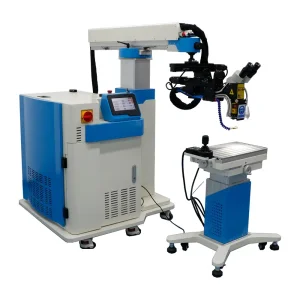
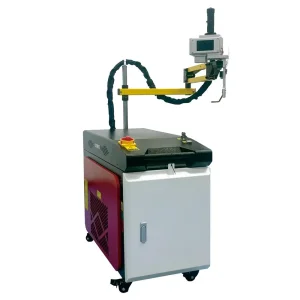
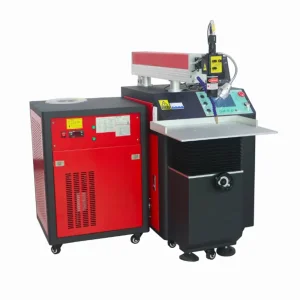
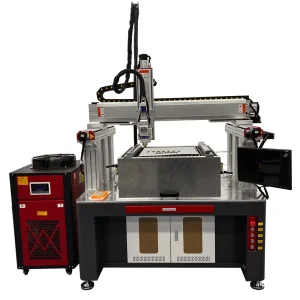
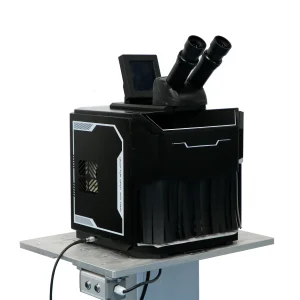
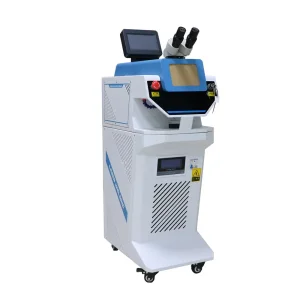
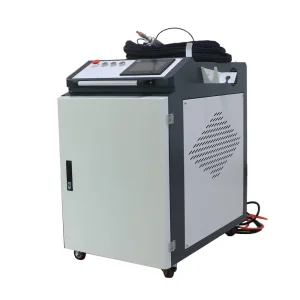
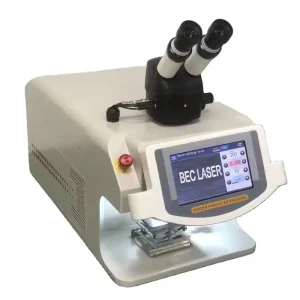
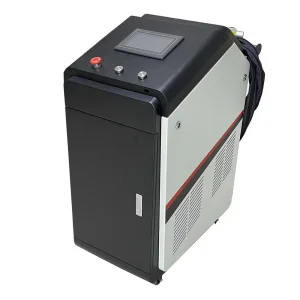
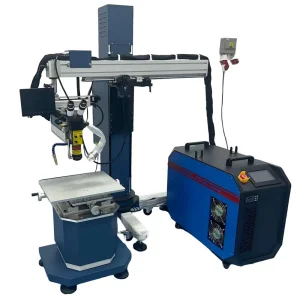
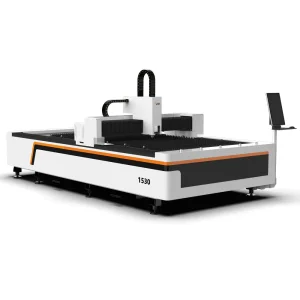
Explore our foundational equipment series developed in Shenzhen. Each platform features tested beam collimation, robust closed-loop thermal stability, and deep material versatility.
A mature optical-electronic cluster coupled with comprehensive supply chains provides high-performance, cost-resilient laser equipment tailored to global industry standards.
Shenzhen’s photonics cluster integrates fiber sources, high-precision galvanometer mirrors, specialized chiller engineering, and custom CNC axis machining within a 30-mile radius, ensuring rapid iteration and strict parts verification.
Youmir Laser designs optical beam paths, proprietary digital control firmware, and anti-reflective oscillation parameters internally, avoiding generic white-label assemblies and ensuring low failure rates in harsh environments.
Before issuing quotes, engineers execute sample welding tests using tensile pulling, cross-section microscopy, and seam topography assessments. Customers receive precise parameter envelopes to protect their capital investments.
Youmir Laser maintains systematic quality controls across optical alignment, fiber coupling, and stress testing over continuous operating shifts.
Dedicated continuous R&D across precision fiber & YAG platforms.
Serving automated sheet-metal plants and tool-repair shops worldwide.
Supplying manufacturers throughout Europe, the Americas, and APAC.
Dust-free clean rooms, beam inspection benches, and stress testing.
Evaluate heat input, mechanical properties, and cycle times to understand modern fiber laser adoption in high-reliability fabrication.
| Evaluation Parameter | Continuous / Wobble Fiber Laser | Traditional TIG (GTAW) | MIG / GMAW Welding |
|---|---|---|---|
| Welding Velocity | Up to 4-10x Faster | Base-line operator manual speed | Moderate speed; heavy spatter |
| Heat-Affected Zone (HAZ) | Extremely Narrow (<0.5 mm); minimal warp | Wide; causes thermal deformation | Extensive thermal spread |
| Post-Process Grinding | Virtually 0 hours; smooth, uniform seam | Extensive grinding & surface pickling | Heavy deslagging, grinding & rework |
| Operator Training Curve | Operational within 2 to 4 hours | Requires years of certified training | Moderate apprentice timeline |
| Reflective Alloy Capability | High via dual-wobble beam shaping | Moderate; risk of burn-through | Prone to internal porosity |
High-reliability sectors demand automated, clean-process laser technology across high-mix, low-volume and mass production lines.
By oscillating the focused beam across circular, sinusoidal, or triangular paths, wobble heads bridge joint gaps up to 1.5mm while eliminating weld porosity in non-ferrous metals.
Coaxial CMOS sensors combined with AI image recognition track workpieces dynamically, adjusting the laser focal point to ensure consistency despite mechanical tolerance variances.
Pairing 450nm blue diode lasers with 1070nm fiber sources yields zero-spatter welds on copper busbars and battery tabs, maintaining high absorptivity at room temperature.
Our intelligent machines export pump diode decay rates, lens temperature metrics, and gas pressure data over OPC-UA protocols for remote diagnostics and zero-downtime maintenance.
From micro-deposition on delicate items to structural seams on high-tonnage industrial equipment, Youmir systems address varied manufacturing environments.
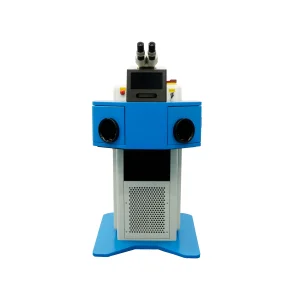
Desktop and vertical series utilize stereoscopic binocular optics and soft-pulse shaping to join 0.1mm gold, silver, and titanium frameworks without thermal shock or discolored stones.
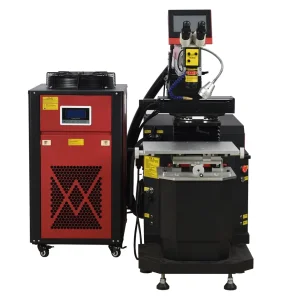
Cantilever and boom mold laser systems enable in-situ deposition of specialized tool steels (H13, NAK80, P20), reducing production downtime by eliminating pre-heating cycles.
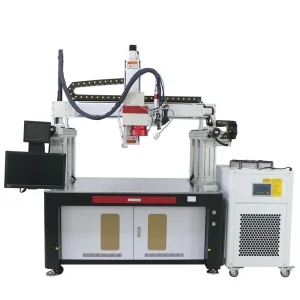
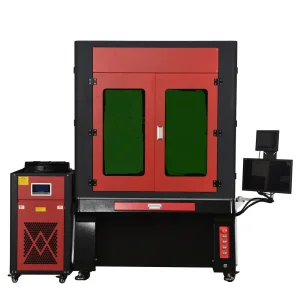
CNC enclosed fiber welders handle continuous seams on battery enclosures, cooling jackets, and transmission gears, meeting ISO 13919-1 Class B quality criteria.
Specialized laser equipment engineered to maximize throughput, minimize consumable overheads, and streamline production workflows.
Youmir Laser supports global importers, industrial automation integrators, and OEM brand partners with end-to-end certification, engineering, and logistics services.
We match regional electrical standards (220V single-phase, 380V/480V 3-phase, 50/60Hz), integrate interlock safety redundancies, and ensure CE, FDA, and ISO compliance for smooth market clearance.
We offer customized powder-coated sheet-metal enclosures, company badging, and multi-language CNC touch interfaces (German, Spanish, French, Russian, Japanese) tailored to local distributor networks.
Avoid unexpected line halts. Every batch shipment includes critical optical wear components, including anti-spatter quartz protective lenses, copper nozzles, and wire feeder assemblies.
Practical guidance from our applications engineering team to help you make informed procurement decisions.
For standard stainless/carbon steel: 1000W handles up to 3mm, 1500W covers mixed fabrication up to 4mm, while 2000W-3000W is recommended for heavy 5mm-8mm joints or reflective aluminum and brass where additional thermal headroom is needed.
Yes. Send your sample parts to our Shenzhen facility. Our engineers will perform trial welds or cleaning tests, run tensile and cross-section analyses, and provide a full metallurgical report alongside 4K video documentation.
Pulsed cleaning provides nanosecond bursts with minimal thermal conduction, making it suitable for molds, aerospace components, and sensitive finishes. Continuous cleaning offers high power at a lower cost-per-watt for rust, mill scale, and structural steel.
We provide a 24-month structural warranty, round-the-clock remote video diagnostics, factory replacement components shipped via DHL express, and on-site setup or training support through our international network.
Send your material grades, part drawings, or custom OEM requirements. We will prepare an application assessment, sample testing plan, and competitive factory-direct quote.