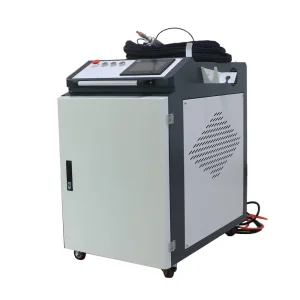
Direct-from-factory optical equipment pre-configured for low maintenance, continuous industrial uptime, and tight thermal tolerance.
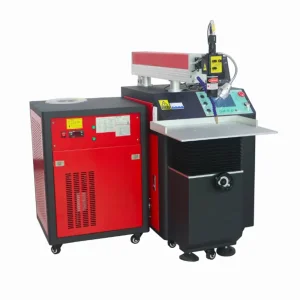
High-Quality Open Laser Welding Machine Pricelist, Factories
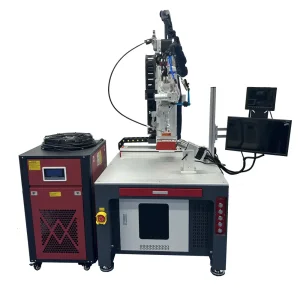
High-Quality Fiber Continuous Laser Welding Machine Manufacturers, Factories
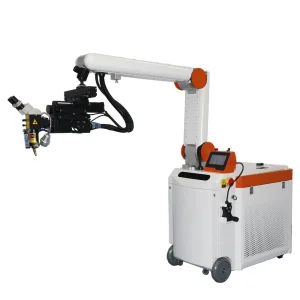
Custom Cantilever Laser Welding Machine Pricelist, Factories
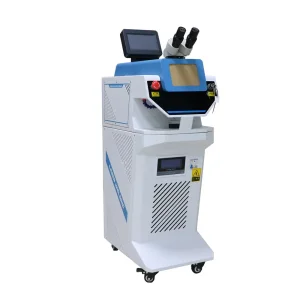
High-Quality YAG-Jewelry Laser Welding Machine Pricelist, Factories
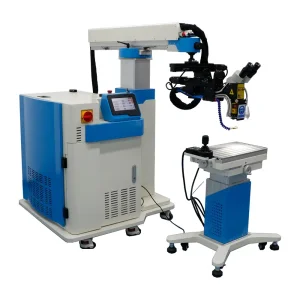
Custom Integrated Boom Mold Welding Machine Manufacturer, Quotes
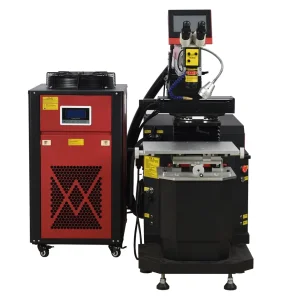
High-Quality Integrated Boom Laser Welding Machine Factory, Quotes
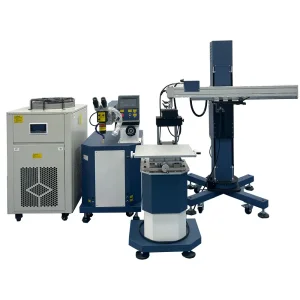
Custom Boom Mold Laser Welding Machine Manufacturers, Factory
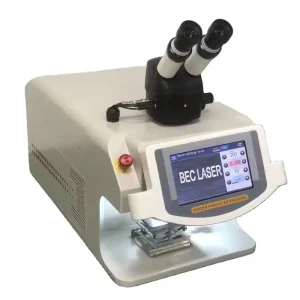
Custom QCW-Jewelry Laser Welding Machine Manufacturer, Factories
High energy density (10⁶ W/cm²) drives deep-penetration keyhole welding with negligible heat-affected zones (HAZ), reducing substrate distortion by up to 80% compared to traditional TIG methods.
Wobble head mechanics bridge assembly gaps up to 2.5 mm seamlessly. Non-certified operators master production-grade joints within 2 operating shifts, drastically lowering certified welder hiring overheads.
Chinese photonics industrial clusters offer native access to fiber pump chips, double-clad gain fibers, CNC collimators, and specialized cooling compressors at unmatched OEM cost-performance tiers.
Real-world operational figures validating why global fabricators are transitioning their baseline assembly lines to custom handheld laser systems.
How localized manufacturing ecosystems in Shenzhen and Guangdong create compound technological and cost dividends for international distributors.
From specialized silica optical fibers to dual-temperature chiller compressors and dual-axis galvo motors, the supply radius within Guangdong is concentrated within a 2-hour logistics envelope. This spatial density lowers R&D turnaround times from quarters to weeks.
Chinese engineering teams excel at tailoring proprietary DSP control interfaces. Factories can quickly integrate multi-language tactile UI layers, real-time wire-feed synchronizers, and customized safety interlock logic according to regional regulatory directives (CE, FDA, CDRH).
Whether a buyer requires 5 bespoke cantilever arms or a standardized batch of 500 portable 3-in-1 welding units, flexible manufacturing lines in Shenzhen ensure tight optical axis calibration and burn-in testing protocols at scale.
Next-generation advancements shifting industrial laser welding from niche repair shops to mainstream mass production.
Modern handheld laser welding torches incorporate miniature galvanometers driven by integrated microcontrollers. Instead of a static focal spot, the beam oscillates in circle, line, double-circle, and triangle modes up to 300 Hz. This fluid dynamic agitates the molten pool, purging gases, stabilizing keyholes, and preventing centerline cracking in high-strength aluminum alloys.
Through fast-switching optical nozzles and software presets, field units instantly switch between continuous high-speed keyhole welding, wire-assisted seam deposition, high-velocity laser surface cleaning (rust/oxide ablation), and thin-gage sheet cutting, collapsing plant tooling footprints.
The displacement of bulky water chillers with phase-change heat-pipe dissipation and compact inverter compressors has dropped unit weights from 180 kg down to under 45 kg, enabling ultra-portable, field-ready metal fabrication capabilities in construction and ship repair.
Precision process parameters calibrated to material metallurgy and structural integrity requirements.
Thin-gauge austenitic stainless steel (0.6 mm - 1.5 mm Grade 304/316) is historically prone to heat buckling during MIG/TIG welding. Handheld fiber laser tools deposit minimal total heat, producing hermetic seams that require zero secondary pickling, passivation, or planar grinding.
Crucial for copper-to-aluminum busbar joining and aluminum alloy structural repairs. The system's focused focal spot disrupts refractory aluminum oxide films without causing excessive spatter or porosity, assuring low electrical contact resistance.
Boom-mounted and cantilever laser deposition units allow precision deposition of H13, P20, and S136 tool steels directly onto mold edges and micro-cracks without preheating, completely preventing thermal shock annealing.
Factory-verified guidelines for penetration depths, shielding gases, and travel velocities across material grades.
| Laser Source Power | Stainless Steel (Max Depth) | Carbon Steel (Max Depth) | Aluminum Alloys | Recommended Shielding Gas |
|---|---|---|---|---|
| 1000W Fiber | Up to 3.0 mm | Up to 2.5 mm | Up to 1.5 mm | Nitrogen / Argon (99.99%) |
| 1500W Fiber | Up to 4.0 mm | Up to 3.5 mm | Up to 2.5 mm | Nitrogen / Argon (99.99%) |
| 2000W Fiber | Up to 5.0 mm | Up to 4.5 mm | Up to 3.5 mm | Argon / Direct Coaxial Mix |
| 3000W Fiber | Up to 8.0 mm | Up to 6.5 mm | Up to 5.0 mm | Argon / High-Flow Nitrogen |
Critical quality assurance vectors to evaluate before finalizing OEM/ODM handheld laser factory agreements.
Verify that internal power conditioners match target domestic voltages (110V/220V Single-Phase or 380V/480V 3-Phase). Require high-efficiency power supplies rated for transient voltage spikes common in rural fabrication zones.
Factory models must integrate dual-channel contact grounding loops that disable beam release if the torch tip loses contact with the target workpiece, complying with Class 4 laser safety mandates.
Audit the availability of D20/D30 protective quartz lenses, copper nozzle tips, and wire-feed rollers. Standardized threading ensures end-users avoid downtime during high-throughput operating cycles.
Clear answers to frequent technical inquiries regarding handheld laser machine configurations, shipping standards, and ongoing maintenance.
Explore our complete portfolio of high-precision fiber mold welders, galvanometer continuous systems, and compact artisan jewelry welders.
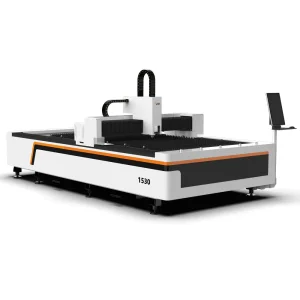
Custom 1530-2000 Watt Cutting Machine Manufacturers, Factory
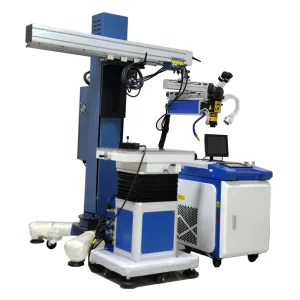
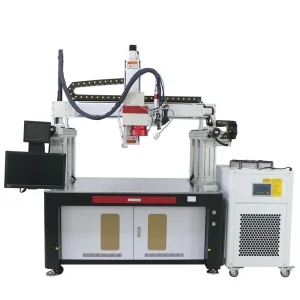
Custom Galvanometer Continuous Laser Welding Machine Manufacturer, Factories
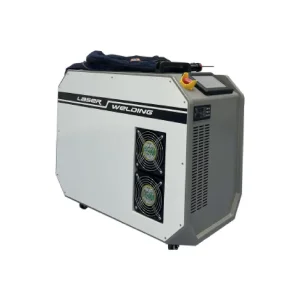
High-Quality QCW Handheld Laser Welding Machine Pricelist, Quotes
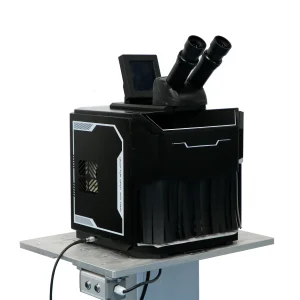
Custom Compact 60W Jewelry Laser Welder for Gold & Silver Crafting Manufacturers, Quotes
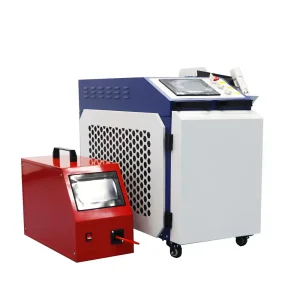
High-Quality Handheld Laser Welding Machine Manufacturer, Pricelist
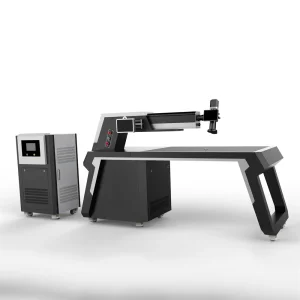
High-Quality Advertising Word Laser Welding Machine Manufacturers, Pricelist