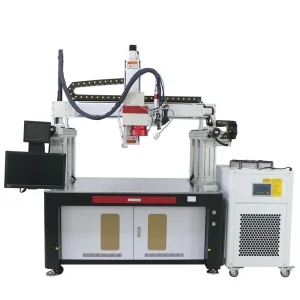
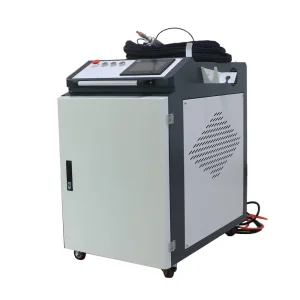
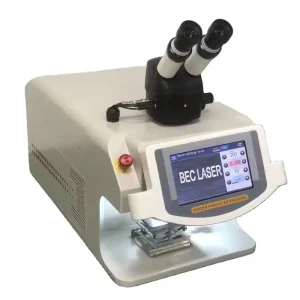
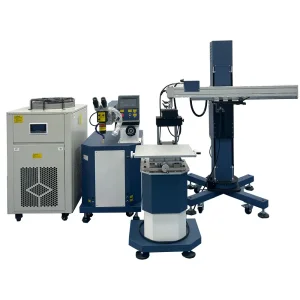
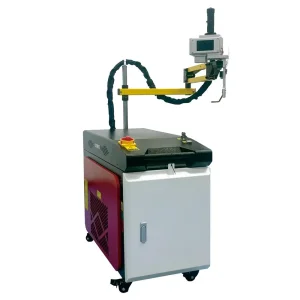
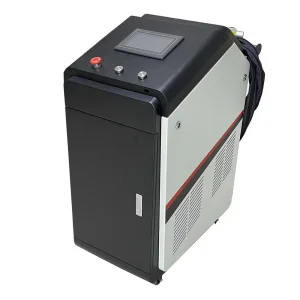
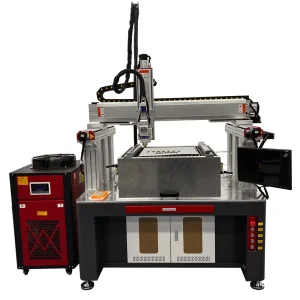
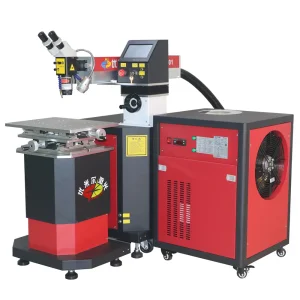
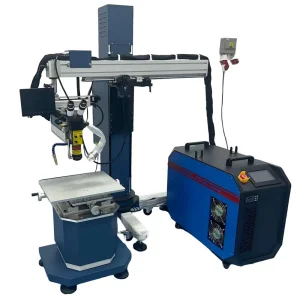
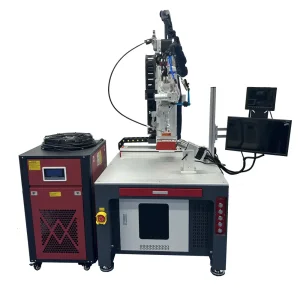
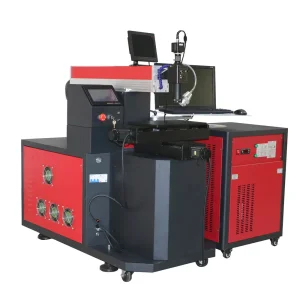
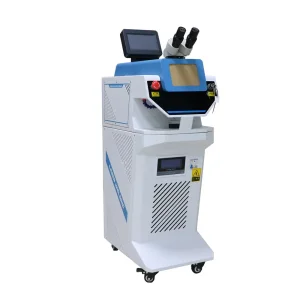
Explore standard, customized, and automated fiber systems configured directly for high-volume international assembly lines.
The transformation of sheet metal joining: transitioning from traditional arc-based processes to intelligent fiber laser solutions.
The industrial fabrication sector is experiencing an unprecedented structural transition. For decades, TIG (Tungsten Inert Gas) and MIG (Metal Inert Gas) welding remained the standard for sheet metal fabrication, automotive bodywork, and structural processing. However, significant thermal deformation, extended post-weld grinding cycles, high electrical consumption, and an aging workforce have challenged conventional operational economics. In contrast, modern handheld laser welding systems offer up to 4x to 10x the operational throughput with a fraction of the thermal energy input.
From an international vantage point, metal fabrication hubs across North America, the European Union, Southeast Asia, and the Middle East are accelerating the phase-out of traditional arc gear in favor of air-cooled or water-cooled handheld fiber systems. With the integration of dual-wobble beam optics, dynamic wire feeders, and multi-functional 3-in-1 (welding, cutting, seam-cleaning) process heads, businesses can lower operational barriers. Apprentices reach production-grade seam aesthetics within hours rather than years, offsetting skilled labor deficits across global supply chains.
Why Tier-1 Chinese manufacturers provide superior cost-to-performance metrics, vertical quality assurance, and deep customization.
Shenzhen's industrial clusters unite fiber resonant cavity production, high-precision collimating optics, CNC electronics, and high-efficiency water chillers within an integrated supply ring. This geographic density compresses prototyping cycles and eliminates tiered subcontractor margins.
Leading Chinese plants do not merely assemble modular enclosures; they maintain proprietary R&D divisions handling optical collimation, oscillating galvo mirrors, embedded safety logic, and localized touchscreen operating systems across 20+ operational languages.
Export-grade industrial welders undergo 72-hour sustained full-power load burn-in tests, beam profile evaluation, insulation dielectric validation, and international safety compliance certifications (CE, FDA, ISO9001), ensuring reliable drop-in operational readiness upon arrival.
Transparent benchmark estimates for direct factory-gate (FOB) sourcing across power bands, optical formats, and industrial functions.
| System Type | Rated Power | Effective Penetration (SS/Alum) | Cooling Mode | Estimated Factory Price (USD) | Primary Industrial Use-Case |
|---|---|---|---|---|---|
| Compact Handheld | 1000W - 1200W | SS: ≤ 3.0mm | Al: ≤ 1.5mm | Dual-circuit Water / Air | $2,200 - $3,400 | HVAC, metal cabinets, light decorative crafts |
| Standard Industrial Handheld | 1500W | SS: ≤ 4.5mm | Al: ≤ 2.5mm | Refrigerated Water Chiller | $2,800 - $4,200 | Commercial kitchen equipment, door/window profiles |
| Heavy Duty High-Speed | 2000W | SS: ≤ 6.0mm | Al: ≤ 4.0mm | Industrial Water Chiller | $3,600 - $5,600 | Automotive sub-frames, pressure vessels, shipbuilding |
| Ultra-Deep Penetration | 3000W | SS: ≤ 8.5mm | Al: ≤ 6.5mm | High-Cap Industrial Chiller | $5,200 - $8,200 | Heavy plant machinery, structural framing, pipelines |
| Multi-Function 3-in-1 / 4-in-1 | 1500W - 2000W | Varies by application mode | Dual Refrigerant Loop | $3,300 - $5,900 | Job shops requiring joint cleaning, seam cut & weld |
Actual landed costs fluctuate based on laser source branding (e.g., Maxphotonics, Raycus, IPG), wobble head motor technology, included wire feed systems (single vs. dual drive rollers), auxiliary gas regulator configurations (Argon/Nitrogen), interface branding, and global transport insurance.
Demonstrated performance across demanding manufacturing, assembly, and restoration workflows.
Eliminates thermal warping and oxidation on 304/316 grade stainless food preparation surfaces, providing sanitary, hermetic seals without microscopic porosity.
Seamlessly handles galvanized sheet metal without destroying outer zinc coatings, minimizing corrosion pathways while drastically increasing stitch-weld cycles.
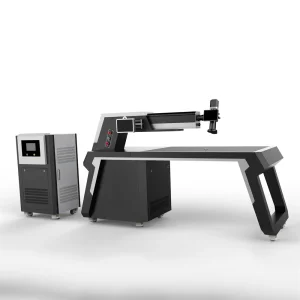
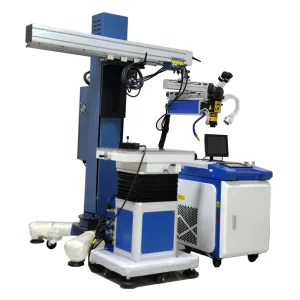
Specialized boom and cantilever laser configurations deposit micro-wire fills into cracked injection mold steel, recovering damaged tools on-site without annealing the surrounding base metal.
Benchtop pulsed QCW and YAG units supply tight spot geometries (down to 0.1mm) for silver, gold, and delicate electronics without transferring heat to gems or delicate semiconductor circuitry.
Emerging technical benchmarks shaping factory floor productivity through 2026 and beyond.
Next-gen phase-change cooling removes the traditional refrigerated water compressor, shrinking overall system footprints down to portable luggage form-factors under 35 kilograms.
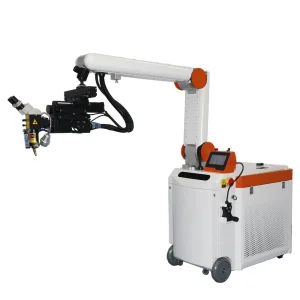
Handheld torches feature quick-release modular robot flanges. Small-to-medium enterprises convert manual handheld laser torches into automated 6-axis cobot production stations within minutes.
Integrated micro-CMOS optical sensors and real-time machine-vision controllers actively correct for operator jitter, adjusting power outputs dynamically to ensure reliable root weld penetration.
Essential validation checkpoints for engineering procurement officers and B2B distributors.
When enterprise purchasers acquire machinery overseas, cost evaluation must account for long-term total cost of ownership (TCO). Experienced sourcing directors audit the following parameters:
Actionable answers addressing import, maintenance, technical limits, and factory direct customization.
Discover tailored structural, mold repair, sign fabrication, and automated CNC laser platforms.