
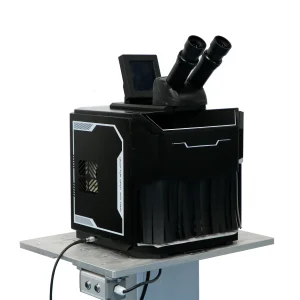
Explore our foundational factory direct systems engineered for channel letters, sign frames, and high-spec architectural joinery.
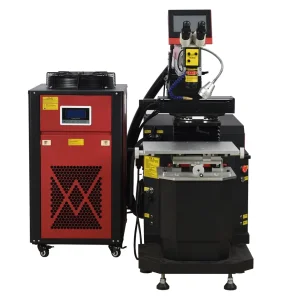
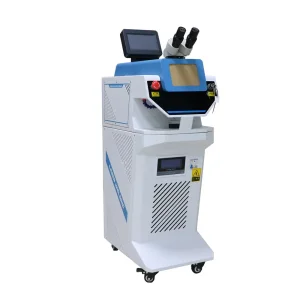
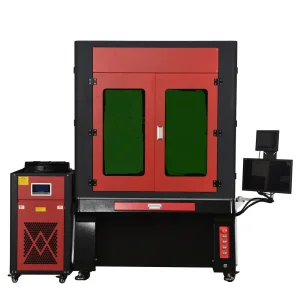
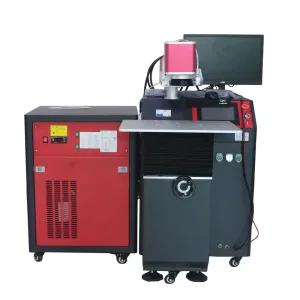
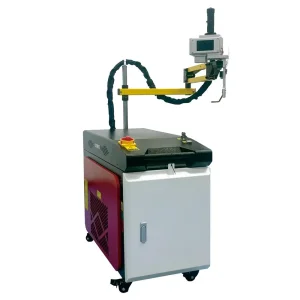
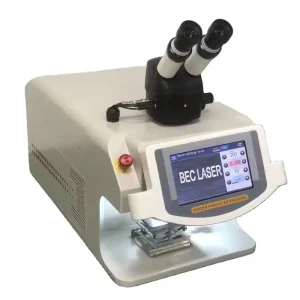
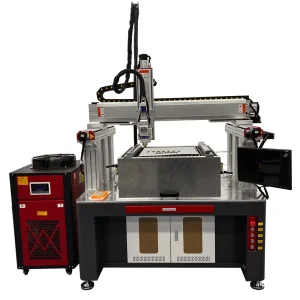
Analyzing the migration from traditional thermal welding (TIG/MIG) and chemical bonding to advanced continuous-wave (CW) and quasi-continuous-wave (QCW) fiber laser processing.
Signage geometries, particularly 3D channel letters fabricated from thin mirror-finish stainless steel (0.6mm–1.2mm) and anodized aluminum, suffer profound warpage under standard arc welding. Fiber laser systems operate with high energy density (10⁶ W/cm²), yielding an extremely narrow Heat-Affected Zone (HAZ) that preserves protective coatings and eliminates mechanical deformation.
In high-volume custom signage manufacturing, post-weld rectification accounts for up to 60% of total direct labor hours. By achieving seamless penetration without spatter or burn-through, fiber laser sign welding eliminates secondary grinding, pickling, and mechanical polishing, allowing production cycles to compress from days to mere hours.
Modern sign designs increasingly demand hybrid joining—bonding brass accents to stainless faces, or structural galvanized backing plates to aesthetic exterior skins. Modern sign welders utilize programmable wobble heads (beam oscillating patterns) to alter beam-to-material coupling, bridging fit-up gaps up to 1.5mm reliably.
How international corporate signage franchises, architectural branding consultancies, and Tier-1 contract manufacturers evaluate capital machinery investments.
Global procurement teams prioritize TCO over nominal invoice price. A modern 1500W to 2000W signage fiber welder provides an electro-optical conversion efficiency exceeding 35%, compared to less than 3% for legacy lamp-pumped YAG systems. This efficiency curve slashes plant energy footprint, reduces consumables consumption (lenses, protective nozzles), and drops argon gas requirements when configured with optimized coaxial shielding nozzles.
Exporting to European and North American markets requires rigorous compliance with EN 60825-1 (Laser Safety), ISO 11553, CE Machinery Directives, and UL industrial electrical standards. Industrial purchasers prioritize systems engineered with dual safety interlocks, fiber optic continuity feedback loops, integrated industrial chillers capable of continuous 24/7 duty cycles at 40°C ambient temperatures, and dual-axis galvanometer tracking heads.
Capitalizing on Shenzhen and Guangdong's precision optoelectronic ecosystem to deliver robust, high-availability laser welding infrastructure.
Shenzhen's industrial cluster provides immediate component-level access to high-grade optical collimators, digital galvanometer scanners, customized F-theta lenses, and high-purity CNC machined aluminum chassis. This co-location eliminates shipping delays in supply parts and permits extreme speed in production iterations.
By leveraging vertically integrated assembly models—where mechanical frames, specialized wire feeding automation, and control firmware are built under one roof—factory direct pricing delivers 40% to 60% CapEx reduction against Western European or Japanese equivalents, without compromising component tiering.
Whether suppling a small signage enterprise with an agile 1000W handheld sign welder or configuring a complete multi-axis CNC fiber gantry system for an international corporate identity roll-out, agile manufacturing protocols accommodate OEM custom branding, local electrical standards (110V/220V/380V), and specialized optics.
Reference data formulated by our applications engineering team to guide procurement decisions, power budgeting, and capital allocation.
| System Architecture | Typical Laser Power | Material Capabilities | Primary Industrial Application | Est. Export Price Band (FOB) |
|---|---|---|---|---|
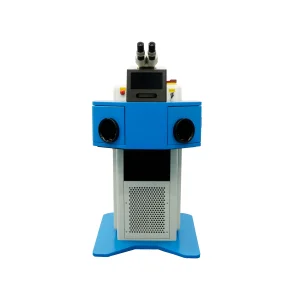
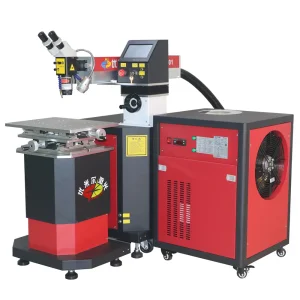
| Galvo Desktop Sign Welder | 300W – 500W YAG / QCW | Stainless 0.2–1.0mm, Brass, Titanium | Precision micro-channel letters, jewelry-grade emblems | $3,800 – $6,200 |
| Handheld Fiber Sign Welder | 1000W – 1500W CW | Stainless 0.5–3.5mm, Alum 0.5–2.0mm | Standard 3D return channel letters, lightboxes, architectural frames | $3,500 – $5,800 |
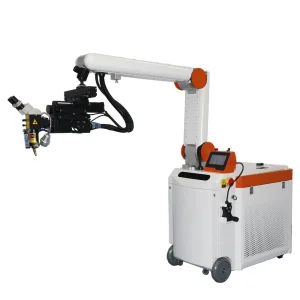
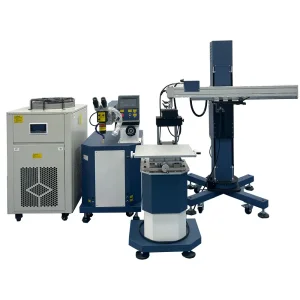
| Heavy-Duty Boom Welder | 1500W – 2000W CW | Stainless 1.0–4.5mm, Carbon 4.0mm | Large-format external signage, oversized pylons, 3D mold tooling | $6,500 – $9,800 |
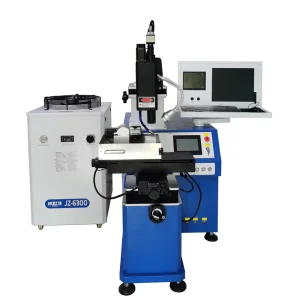
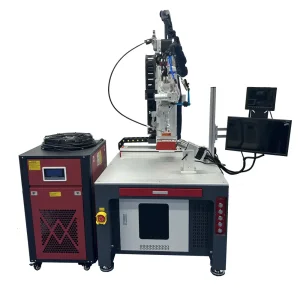
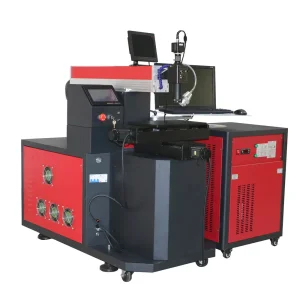
| 3-Axis CNC Automated Welder | 1500W – 3000W CW | High-volume uniform metals | Mass batch production of standardize storefront channel logos | $11,500 – $18,000 |
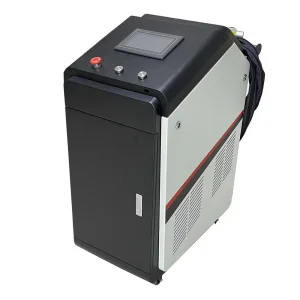
| 4-in-1 Multifunction System | 1500W – 2000W CW | Welding, Cutting, Rust/Oxide Stripping | On-site repair, sign restoration, mobile architectural installation | $4,200 – $6,500 |
Examine how advanced laser welding systems resolve complex manufacturing challenges across contemporary signage production.
Architectural liquid acrylic and resin-filled channel letters demand a pristine 90-degree internal corner without thermal blackening. A fiber sign welder allows precision tacking and continuous seam welding from the reverse side without marring the frontal face, bypassing extensive hand-finishing processes.
Aluminum's high thermal conductivity and persistent surface oxide layer (Al₂O₃) have historically caused high defect rates in TIG welding. Oscillating wobble heads pierce through the oxide barrier quickly with minimum thermal buildup, producing structurally secure, porosity-free seams.
High-end corporate reception logos and luxury boutique markers employ mirror-polished titanium-gold stainless steel. The micro-spot precision of our galvanometer and handheld welders ensures zero burning, discoloration, or distortion on the visible surfaces, eliminating scrap costs completely.
Explore heavy structural boom systems, automated CNC solutions, and specialized laser tools ready for worldwide deployment.
Critical operational answers curated directly by our optical research and application engineering personnel.